

Labyrinth Research

Mission Statement of the Labyrinth Research Committee

The Labyrinth Society Research Committee supports research on labyrinths and labyrinth experiences by providing a resource base and encouraging a wide variety of labyrinth-related research interests.

Introduction

Throughout the ages, labyrinths and mazes have fascinated people of all ages. From walking paths of dirt, stone and tile, to use in art and designs on housewares, labyrinths have been found around the world and in multiple cultures. This fascination included asking historical, contextual, and archaeological questions about the designs, locations and changes in labyrinth usage over time. More recently, people are asking questions about the psychological and physiological causes of perceived and often-reported “labyrinth effects,” as well as whether or not these perceived “labyrinth effects” could be isolated and measured. These questions have given rise to the growing field of labyrinth research.

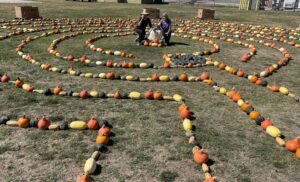
Katie Bull (Heirloom Festival, 2023)

Why do Labyrinth Research?

In recent history and especially since the 1990’s, people have shared their experiences of walking labyrinths and interacting with labyrinths in other ways. The initial versions of the Research Bibliography included many of these anecdotal reports. As the Labyrinth movement grew and spread, people sought to take labyrinths to hospitals, hospices, schools, corporations, and other organizations. There they were confronted with requests for data not only on what the labyrinth is, but also if and why it has the effects it is reported to have. Labyrinth researchers sought to answer these questions by publishing their own studies in this field and sharing templates to assist other researchers. The Labyrinth Society (TLS) has included many of these on our Doing Research page and in the Research Bibliography.

The Research Bibliography - 2025 Update

Created by John Rhodes in 2006, the Bibliography of Articles and Studies Related to Labyrinth Research is updated regularly as new research on human interaction with labyrinths is published. The current version focuses on research into the spiritual, physical, mental and metaphorical applications and experiences of and with the labyrinth and items were selected for their accessibility. Articles solely focused on mazes and meander paths, building labyrinths, labyrinth meditations, and the history of labyrinths are not included in this document. (For historical research, visit: Labyrinths through the Years, a Historical Overview.) In addition to the downloadable PDF version, the Research Bibliography is now online and searchable.

If you are aware of research studies, research-related articles, theses, and dissertations that are not included, please send bibliographic citations and abstracts (and copies of the complete studies or articles when available) to [email protected].

Research Bibliography Supplement

This PDF Supplement to the Research Bibliography includes articles that are anecdotal, briefly mention but do not focus on the labyrinth, or are of value but don’t meet the above Research Bibliography guidelines. Many items were included in previous versions of the Research Bibliography. Where available, a link, doi, ISBN or other identifying information is provided.

Labyrinth Walk Questionnaire (LWQ): Research Results and Implications: 2005-2018

The data from the Labyrinth Walk Questionnaire submitted by TLS members and others to the Research Committee is collected, summarized, compiled and presented as a formal report.  The first publication was in 2007. This 2019 update summarizes data provided by 1,250 individuals participating in 128 labyrinth events on three continents from 2005-2018.

Scroll to Top